Self-Worth and Identity:
The way we see ourselves quietly influences almost everything that follows—what we believe we deserve, what we tolerate, how we interpret rejection, the risks we are willing to take, the relationships we accept, and the future we imagine for ourselves. Self-worth is not simply about feeling good or thinking positively. It is about developing a more truthful sense of who we are, separating our identity from old wounds and outdated meanings, and learning to build our lives from evidence rather than from the conclusions we once formed about ourselves.
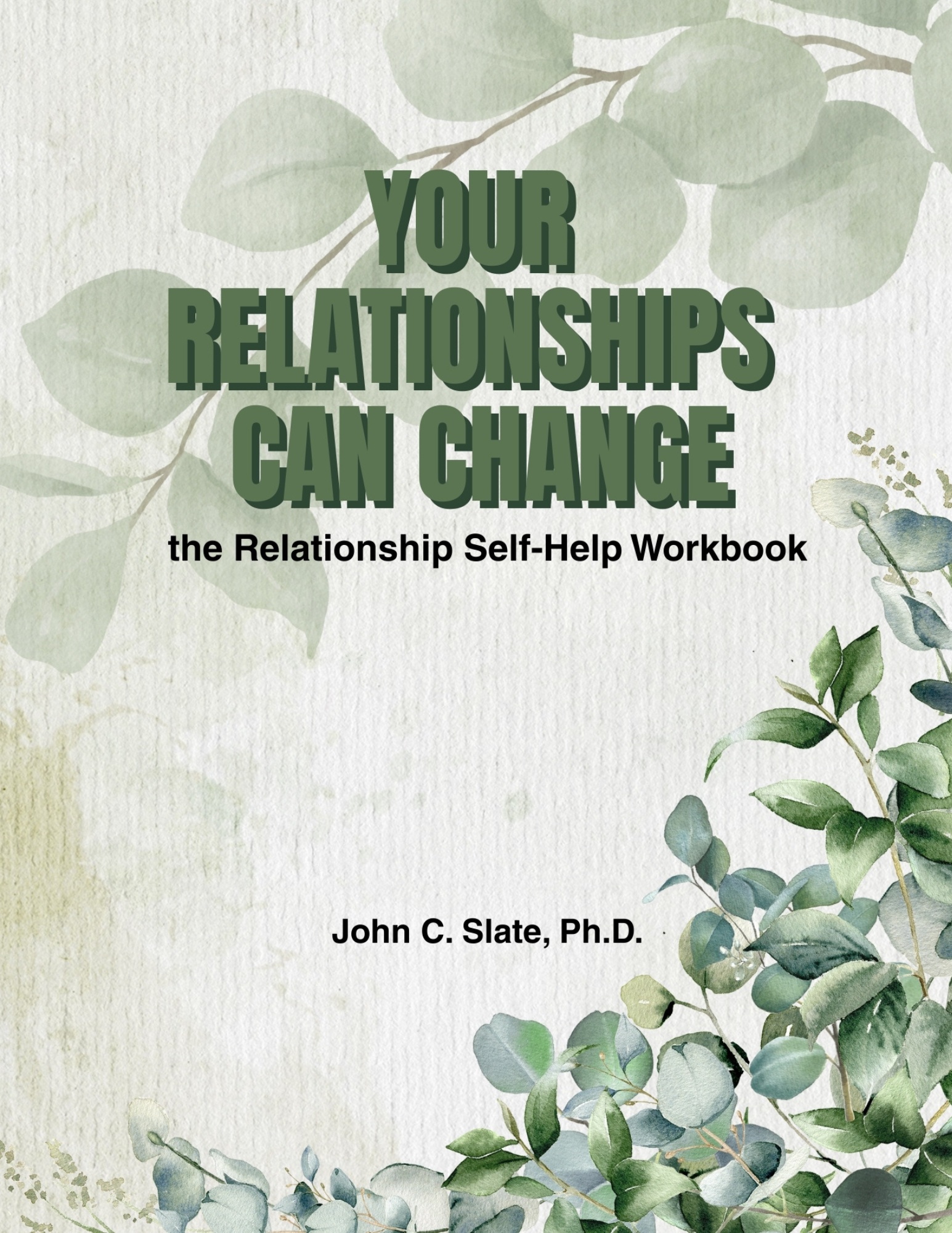
This module brings together podcasts, articles, worksheets, tools, and books that explore how identity is shaped, challenged, and rewritten over time. Through resources such as Living Like I Have Worth, Where Did My Worth Go?, Building Confidence in My Worth, and What If Your Past Doesn't Mean What You Think It Means?, you will examine the stories and experiences that influenced the way you see yourself, while learning how to attach new meaning to the past and collect new evidence in the present. Articles and tools on trust and identity, sense of self, intentional living, and identity rewriting help turn insight into practice, while Dr. Slate's books Self-Worth Transformation and Chapter 21 of Your Relationships Can Change provide deeper opportunities to explore how self-worth affects both the relationship we have with ourselves and the relationships we build with others.
The goal is not to create a new identity by pretending the past did not happen. It is to recognize that what happened to us and what we decided it meant about us are not always the same thing. As we UNcover the experiences and beliefs that shaped our identity, UNderstand why those meanings became so powerful, UNlearn conclusions that no longer fit the evidence of our lives, and Become increasingly intentional about the person we are building, self-worth can begin to move from something we hope to feel into something we learn to live.
Your worth is not something you have to continually prove. It is something you can learn to recognize, strengthen, and increasingly allow to guide the life you choose.
Series 1
Often we feel our value was lost along the way. Wonder if your worth didn't disappear? What if painful experiences changed the way you learned to see yourself? Rather than trying to feel better about yourself through positive thinking alone, Where Did My Worth Go? focuses on rebuilding identity through truthful evidence. You will begin remembering what you have survived, recognizing strengths you may have stopped seeing, challenging meanings that no longer fit who you are today, and intentionally collecting new evidence through the choices you make now. The goal is not to erase difficult chapters of your story, but to stop allowing those chapters to define the entire book.
Series 2
Building Confidence in My Worth explores the difference between confidence that rises and falls with our emotions and a steadier confidence built from the truthful evidence of our lives. Through the article, podcast, and worksheet, you will begin creating your own Evidence Bank—collecting the often-forgotten moments that show who you really are and who you are becoming. Instead of waiting until you feel worthy or confident enough to move forward, you learn to take small acts of courage, allow those experiences to become new evidence, and gradually build an identity that is stronger than the fears and old assumptions that once defined you.
Series 3
Living Like I have Worth
The explores the concept of confidence maturing into self-respect. Confidence often looks outward toward performance, ability, goals, and whether we believe we can do something, while self-respect looks inward toward questions of value, integrity, boundaries, and whether we are willing to abandon ourselves in order to gain approval or avoid discomfort.
Through courageous actions, keeping promises, living according to values, changing old meanings, remembering our “war stories,” and building new evidence through everyday choices, we begin creating a steadier identity that is less dependent upon changing feelings and circumstances.
Series 4
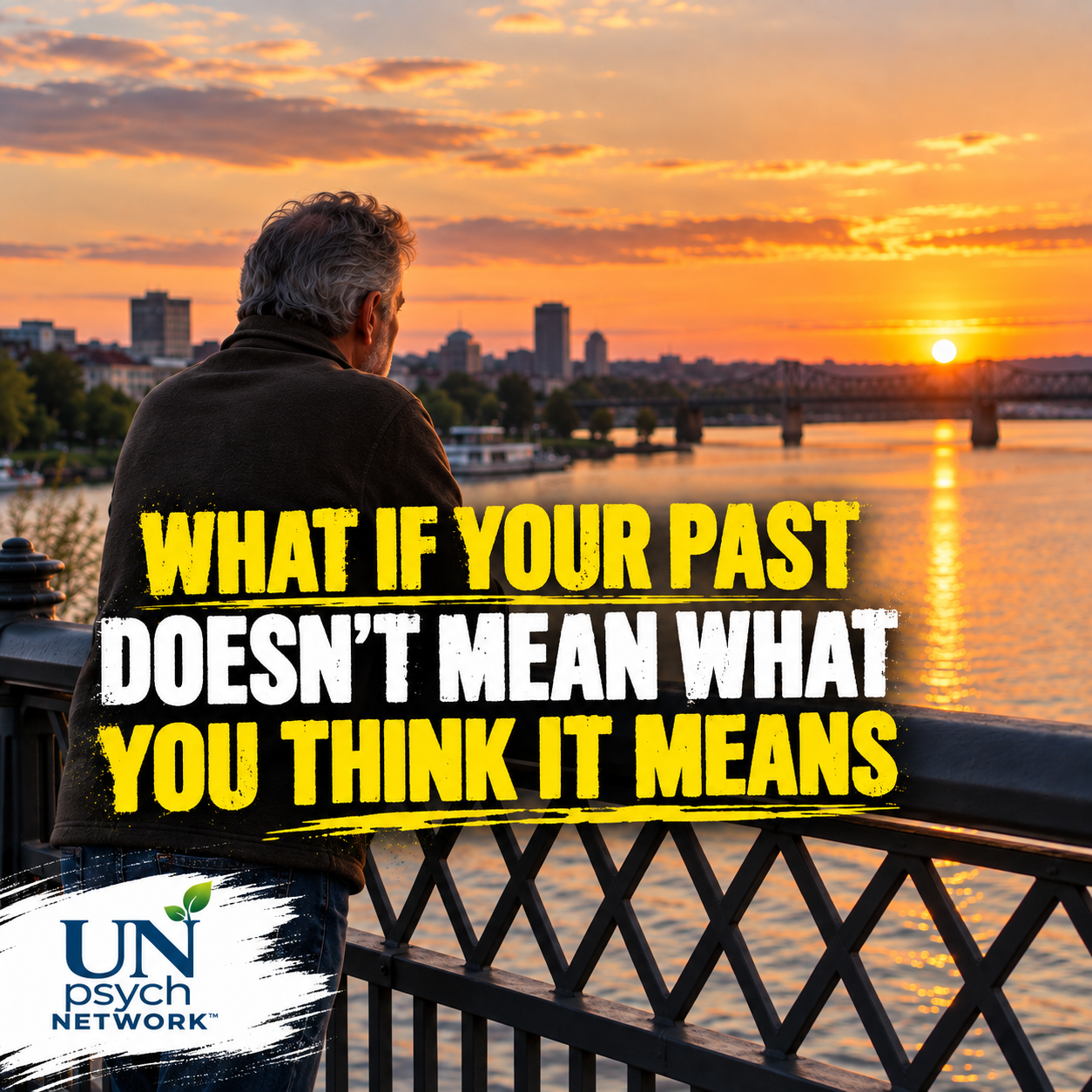
What If Your Past Doesn't Mean What You Think It Means?
Explores the important difference between an experience and the identity story you may have carried forward from it, helping us recognize that while we cannot rewrite the memory, we can reconsider whether its old meaning still fits the fuller evidence of our lives. Examine the conclusions you formed about yourself, rediscover the courage, resilience, wisdom, and other “war story” evidence you may have overlooked, and begin rewriting the meaning without rewriting the memory. Using the UNpsych process, you will UNcover the story, UNderstand why it became powerful, UNlearn meanings that no longer fit
© 2026 UNpsych Network